Join us for upcoming virtual information sessions to learn about the Community Health Fellowship and hear directly from current Fellows!
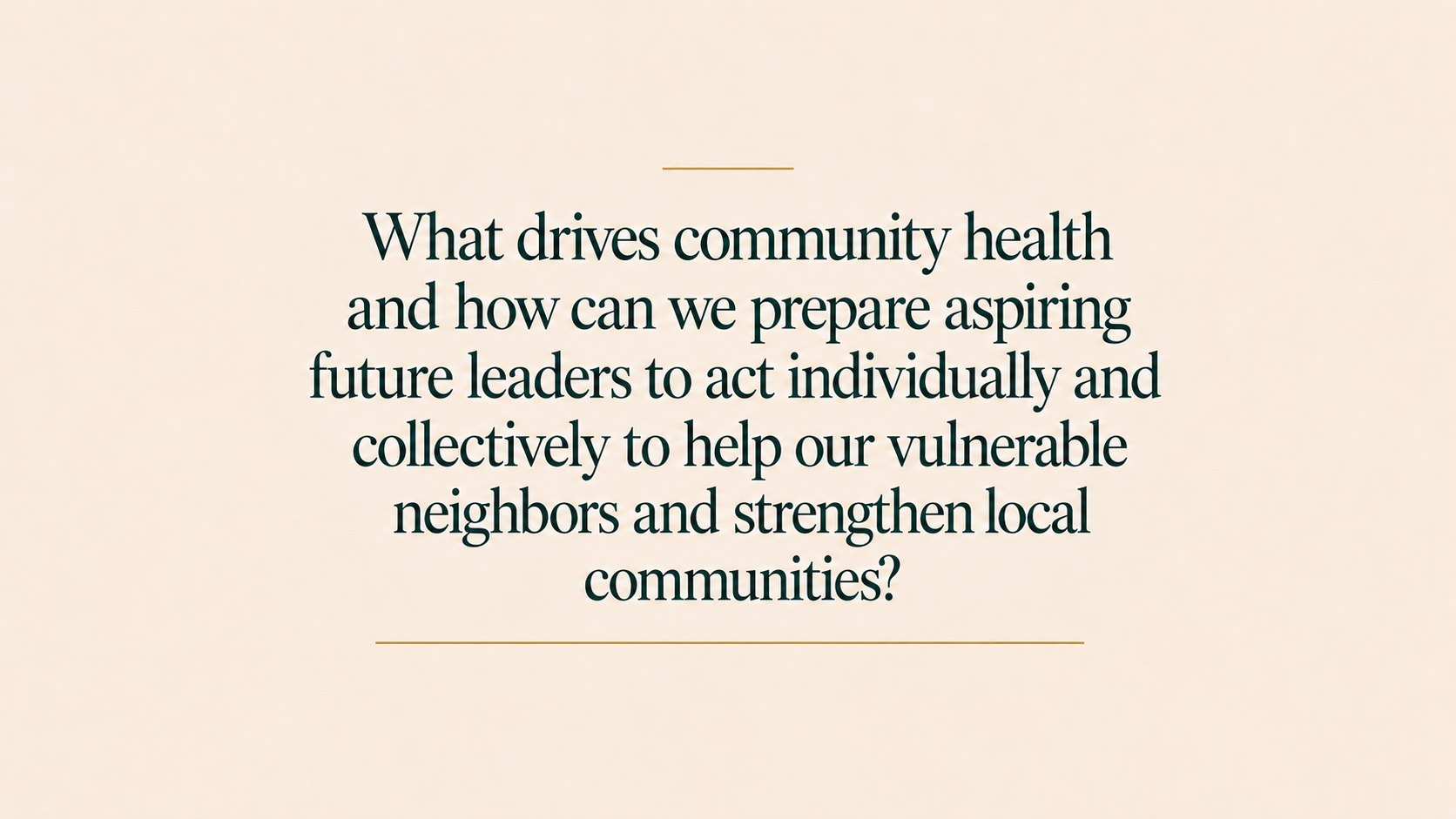
Since our founding in 2007, Project Horseshoe Farm has taken action on these pivotal questions.
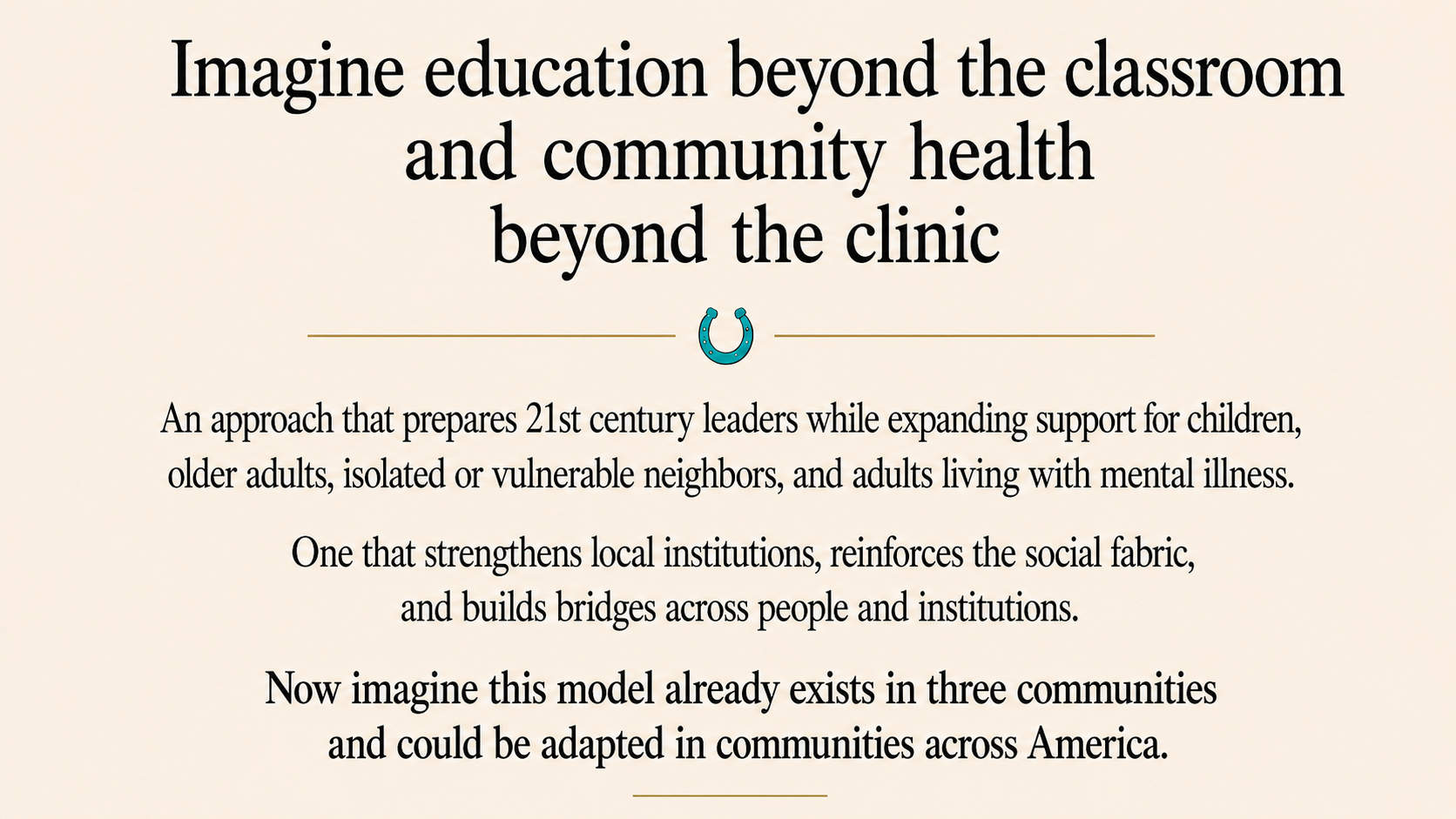
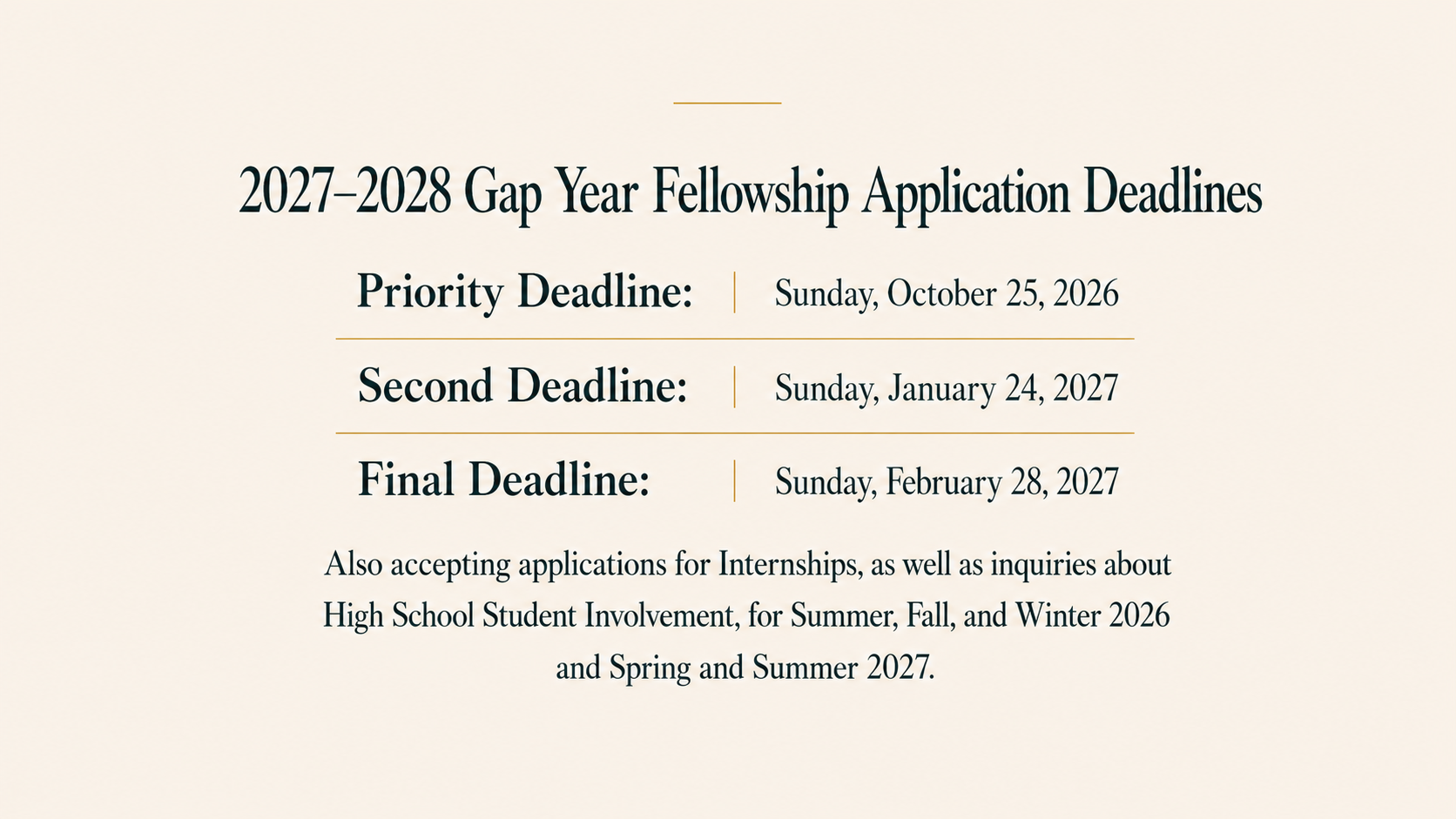
In 2009, we launched our nationally recognized, educational grant-supported Community Health Gap Year Fellowship for top recent college graduates from across the country. Since then, we have expanded our educational opportunities to include Internships for top undergraduate, post-baccalaureate, master’s, and health professions students. For high school students, we offer CLIMB ACADEMY, Internships, and Volunteer and Experiential Learning opportunities. For 2027, we are developing CLIMBplus, an immersive residential experiential learning program for outstanding recent high school graduates.
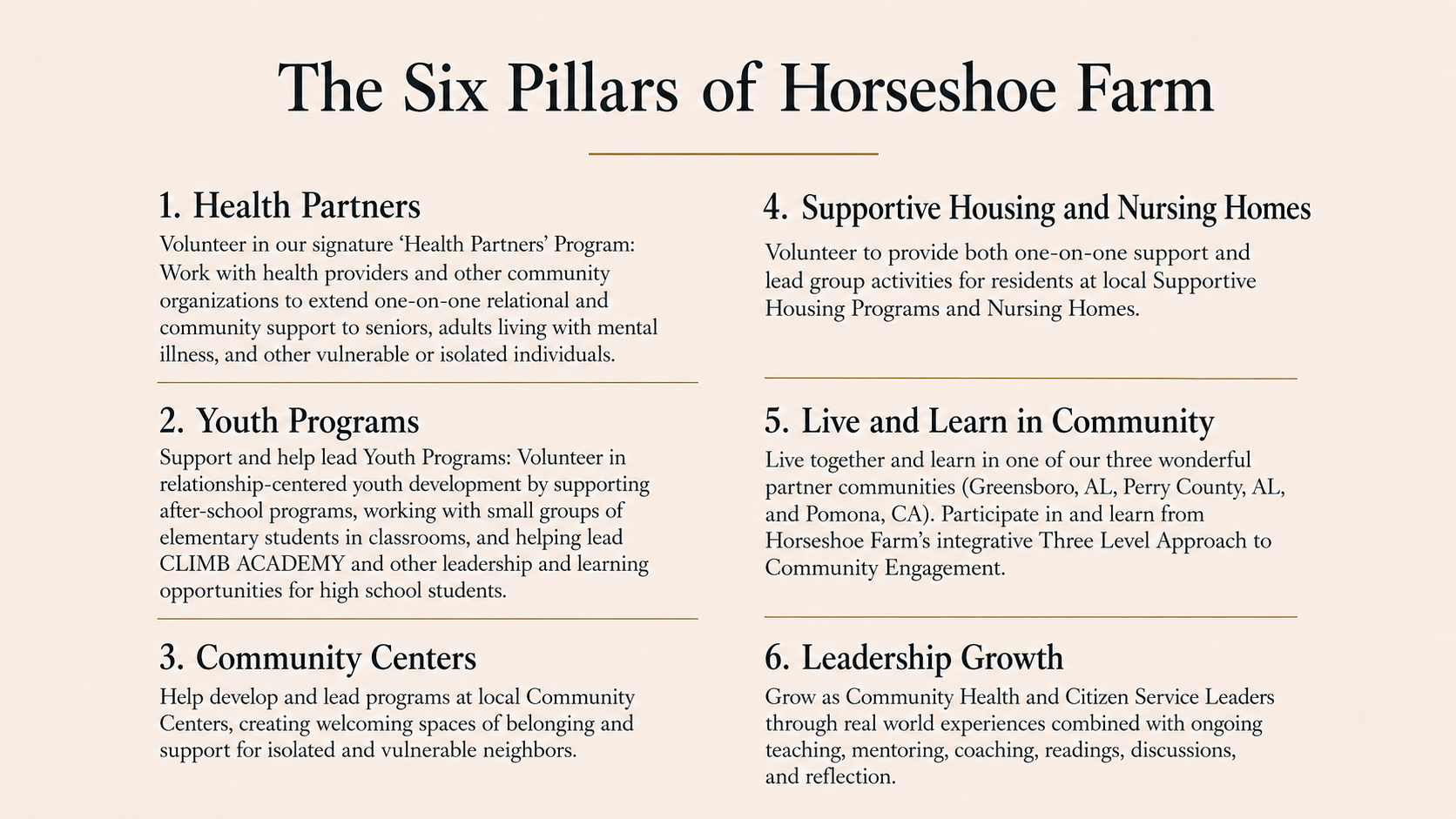
Working as teams with ongoing teaching and mentorship, Fellows, Interns, and students participate in and learn from Horseshoe Farm’s distinctive 6-pillar approach to helping our vulnerable neighbors, strengthening local communities, and preparing tomorrow’s community health and citizen service leaders.
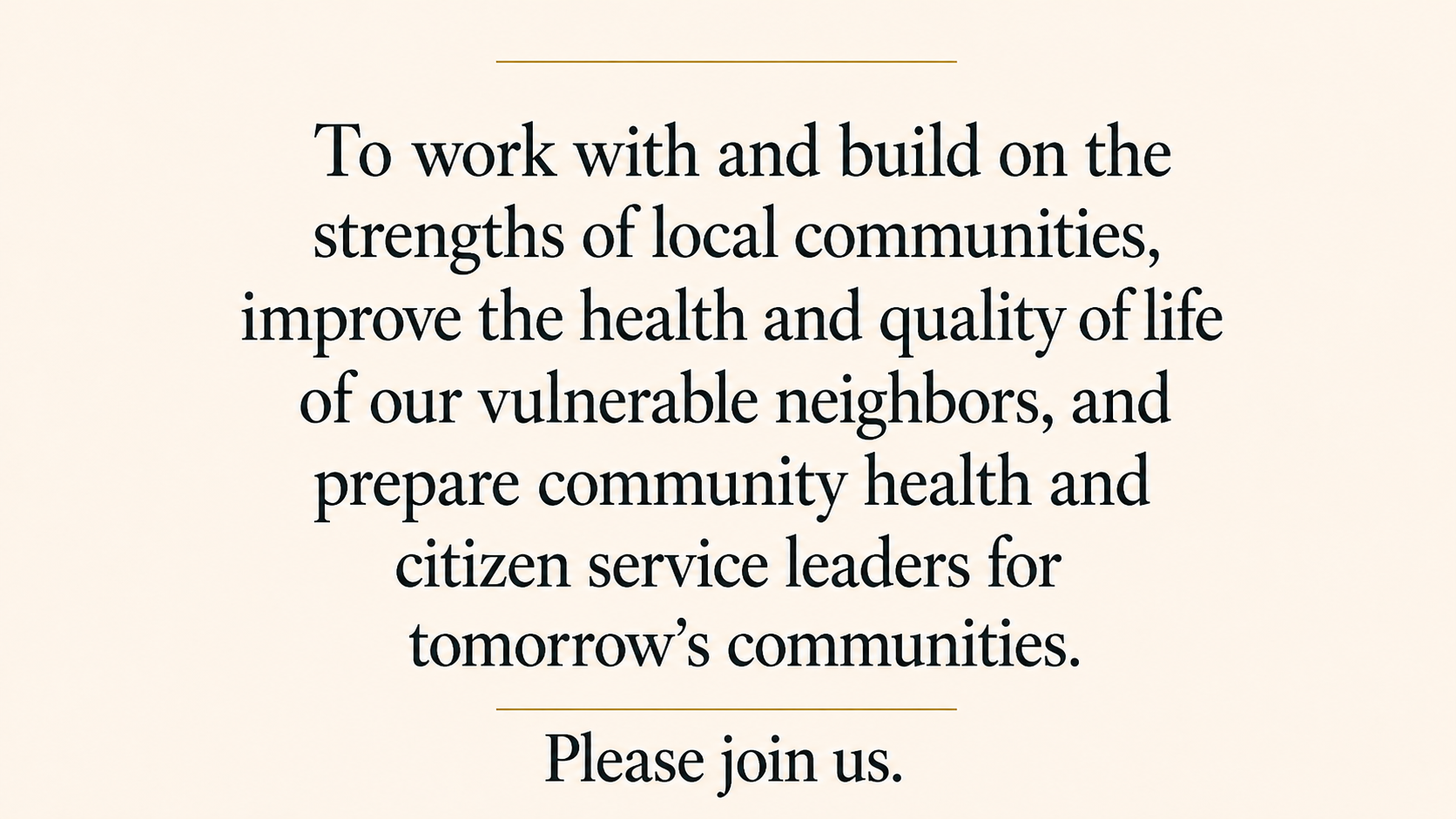
These efforts all contribute to Horseshoe Farm’s steadfast MISSION:
For A Deeper Look
Horseshoe Farm Biopsychosocial Community Health Model

Horseshoe Farm’s unique multidimensional integrative approach to community health - Our approach starts with individualized volunteer service in support of our vulnerable neighbors (adults living with mental illness, the elderly, other isolated or vulnerable adults, and children). We provide consistent caring relationships and help with psychosocial factors that impact the health and quality of life of these individuals. By acting as caring, consistent neighbors and citizen volunteers, we also help reinforce the social fabric that is so critical to the healthy function of local communities (1). Finally, by building broad relationships and connections and helping to support and connect multiple local partner organizations, we help strengthen the local institutional infrastructure and the interconnection among institutions (3). This is all done while giving hands on experience, mentorship, and teaching to top students preparing to become tomorrow’s community health and citizen service leaders.
1. WEAVE, The Social Fabric Project, Aspen Institute (Click Here for Link)
2. A modified version of the Horseshoe Farm Biopsychosocial Community Health Model, highlighting the importance of Social, Institutional, and Physical Infrastructure. Horseshoe Farm’s innovative integrative approach impacts all three levels of the above model, as well as the linked adapted biopsychochosocial framework (Click Here for Link).
3. Horseshoe Farm’s Mult-Level Approach to Community Engagement — (Click Here for Link)
Video of “Alumni Reflections” — (Click Here to watch)
Quisque iaculis facilisis lacinia. Mauris euismod pellentesque tellus sit amet mollis.